Choosing cat food shouldn’t be based solely on taste or price. Every cat has different nutritional needs, especially based on age, health status, activity level, and body condition. Therefore, knowing how to choose the right cat food can help owners provide a more appropriate diet to support their cat’s health and daily life.
Understanding Types of Cat Food
Food is a crucial part of maintaining a cat’s health. However, the wide variety of cat food options on the market can sometimes make it difficult for owners to determine which product is best suited for their cat.
Generally, cat food comes in several forms, primarily dry food and wet food . Dry food has a lower moisture content and is convenient to serve, while wet food contains more moisture and generally has a texture and aroma that are more appealing to cats.
In addition to its form, cat food is also available in different formulations based on age or specific needs. Therefore, when choosing the best cat food, you should not only consider the brand but also tailor it to each cat’s individual needs.
What Should You Consider When Choosing Cat Food?
There are several factors to consider when selecting food for your cat, including:
1. The cat’s age
The nutritional needs of kittens differ from those of adult and senior cats. Kittens, who are still growing, need nutrients that support their physical development, while adult cats need nutrients to help maintain their physical condition and daily activities.
2. Health condition
Health status should also be taken into account. Cats with certain health conditions may require food with a specialized formulation. In such cases, food selection should be based on a veterinarian’s recommendation.
3. Nutritional Content
Pay attention to the nutritional information on the food packaging. Protein, fat, vitamins, minerals, and various other nutrients are needed to help meet a cat’s bodily needs.
Owners can also learn more about how to choose cat food to better understand the key ingredients to look for before purchasing a product.
4. Energy Needs
Each cat’s energy needs may vary. Active cats naturally have different needs compared to cats that spend more time indoors and have low physical activity levels.
The amount of food provided should also be adjusted based on the cat’s physical condition and the feeding guidelines on the packaging.
5. Food Texture and Shape
Texture can also affect a cat’s acceptance of food. Some cats prefer dry food, while others are more interested in wet food.
If a cat has specific preferences, owners can consider a food texture that better suits them, as long as it still meets their nutritional needs.
Cat Food Based on Age
A cat’s dietary needs can change as it ages. Therefore, the food provided should be tailored to the cat’s life stage.
Kittens
Kittens need nutrients to support their growth and development. At this stage, choose food that is specifically formulated to meet the needs of growing cats.
One option to consider is Kitchen Flavor Grain Free Baby Kitten & Kitten, which is formulated for cats under 1 year of age.
Adult Cats
As cats enter adulthood, their nutritional needs change. Food for adult cats is generally designed to help maintain their physical condition and support daily activities.
Feeding should also be adjusted according to the cat’s activity level, body weight, and physical condition to ensure the cat receives neither too much nor too little food.
Senior Cats
As cats age, their nutritional needs may change. Senior cats may also experience changes in activity levels and physical condition, so food selection requires more careful consideration.
If your cat has specific health conditions, consult your veterinarian about food choices so that your cat’s needs can be addressed more specifically.
How Do You Know Which Cat Food Is Right for Your Cat?
Now that you’re aware of the various factors to consider, here are a few simple steps you can take:
- Check the label and nutritional information on the packaging.
- Choose food that’s appropriate for your cat’s life stage.
- Adjust the portion size based on your cat’s energy needs and physical condition.
- Pay attention to your cat’s response to the food you provide.
- Consider the texture and shape of the food that your cat finds acceptable.
- Consult a veterinarian if your cat has any specific health conditions.
- Keep in mind that the best cat food isn’t necessarily the most expensive product. What’s more important is whether the food meets the needs and suits the condition of the cat consuming it.
Cat Food Recommendations to Meet Your Cat’s Nutritional Needs
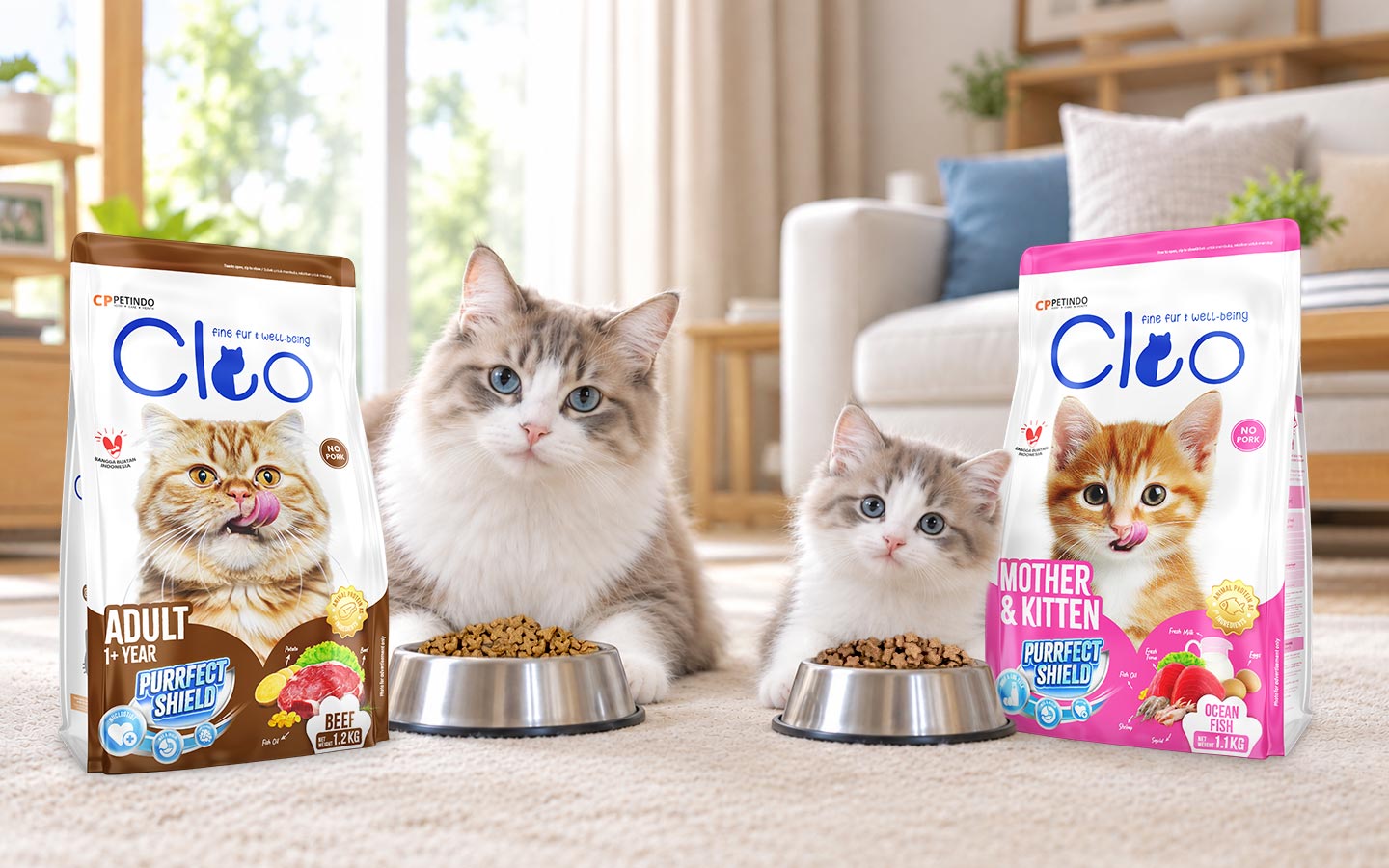
After understanding the various factors to consider when choosing cat food, owners can begin looking for products that suit their cat’s age and nutritional needs. One option to consider is Cleo Beef Adult, which is designed for cats over 1 year old. Cleo Beef Adult Cat Food uses animal protein as its primary ingredient and contains at least 30% protein. This product also includes dual prebiotics—MOS and inulin—to support digestive health, as well as omega-3 and omega-6 fatty acids that help maintain healthy skin and a shiny coat.
However, food selection should still be tailored to each cat’s age, activity level, physical condition, and individual needs. That way, the food you provide will not only be enjoyable but will also help meet your cat’s daily nutritional needs.