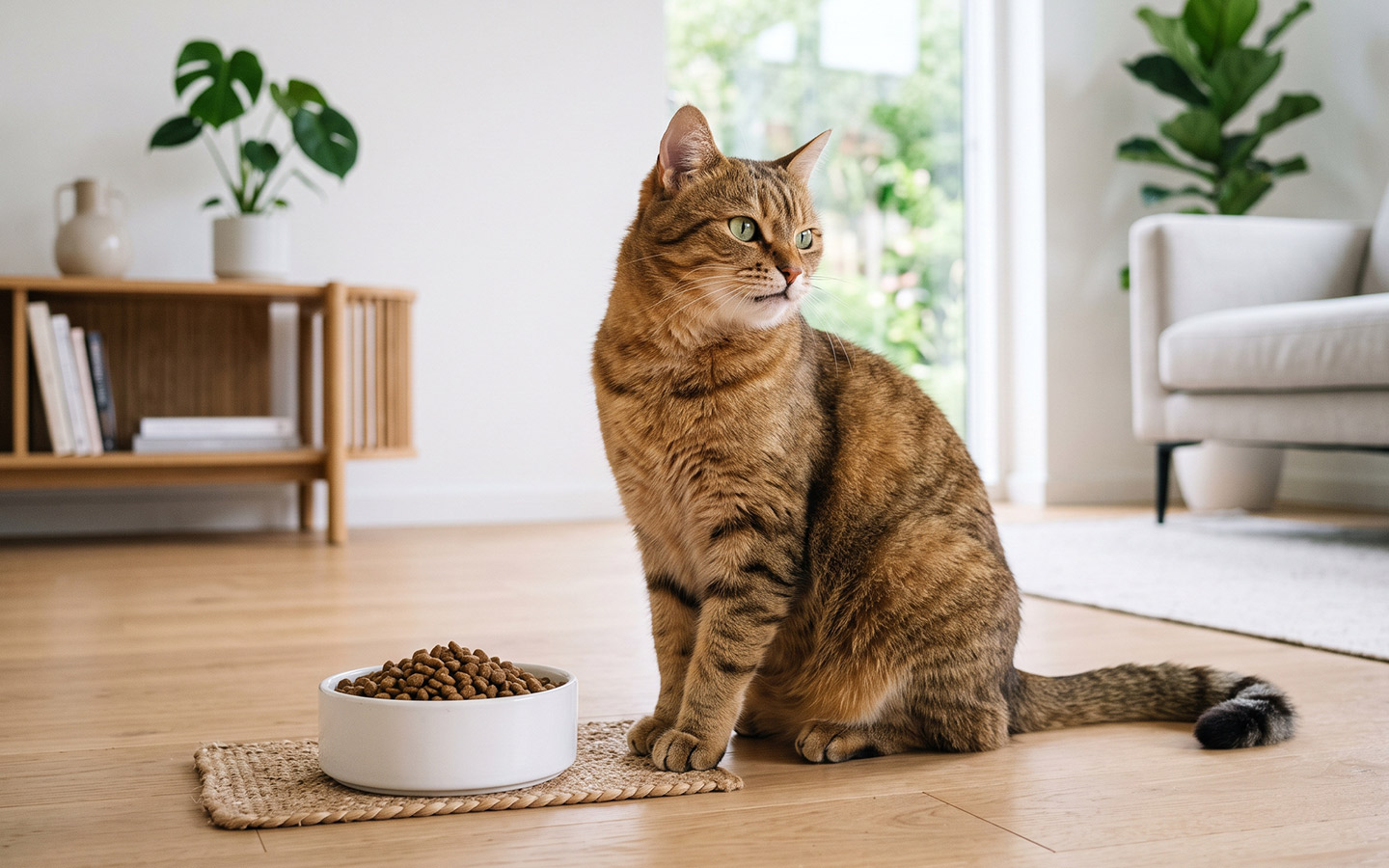
When a cat refuses to eat, it can certainly worry its owner, especially if the change occurs suddenly. However, a cat’s loss of appetite isn’t always caused by illness. Changes in diet, environment, or even oral and dental issues can also cause a cat to refuse food.
Therefore, it’s important to observe the cat’s overall condition so that owners can identify possible reasons why the cat isn’t eating and determine the appropriate course of action.
Does a Cat Refusing to Eat Always Mean It Is Sick?
Not always. A cat’s refusal to eat can be influenced by various factors, ranging from changes in the taste, smell, and texture of the food to environmental changes that cause stress.
However, a loss of appetite can also be a sign of a health problem. Therefore, owners need to pay attention to whether the cat is simply skipping a single meal or experiencing a persistent loss of appetite accompanied by other symptoms.
What Causes a Cat to Refuse to Eat?
Some conditions that can cause a cat to lose its appetite include:
1. Environmental Changes
Cats can experience stress when there are changes to their environment or routine. For example, moving to a new home, the arrival of a new pet, a change in feeding location, or changes to daily habits.
These situations can affect a cat’s behavior, including its appetite.
2. Dental and Oral Problems
Cats with dental or oral problems may feel discomfort when chewing. As a result, they may become more reluctant to eat, especially foods with certain textures.
If your cat appears to have difficulty chewing, drools excessively, or shows signs of discomfort while eating, you should have the condition checked by a veterinarian.
3. Digestive Disorders
Digestive disorders can also affect appetite. Some cats may experience a loss of appetite along with symptoms such as vomiting or diarrhea.
4. Specific Health Conditions
Various health conditions can cause a cat to refuse to eat. If the loss of appetite persists or is accompanied by other physical and behavioral changes, a veterinary examination is necessary to determine the cause.
How Can You Help a Cat That Won’t Eat?
If your cat is experiencing a loss of appetite, there are a few simple steps you can try while continuing to monitor its condition.
First, make sure its food and water bowls are clean and placed in a comfortable, relatively quiet location. An overly noisy environment can make some cats feel uncomfortable while eating.
Second, offer food that’s still safe to eat and appropriate for the cat’s needs. If the refusal occurs after a change in food, consider whether a change in taste or texture might be the cause.
Third, owners can consider varying the food’s texture if it suits the cat’s needs. Some cats may be more attracted to food with certain aromas and textures.
Fourth, avoid forcing the cat to eat, as this can make the eating experience even more unpleasant.
While trying to help your cat start eating again, also pay attention to the amount of food consumed, the cat’s activity level, behavior, and physical condition.
Cat Won’t Eat: When Should You Take Your Cat to the Vet?
Not all cases of a cat refusing to eat can be resolved simply by changing its food. A veterinary examination should be considered if the loss of appetite persists and causes concern, especially if accompanied by other symptoms.
Seek veterinary help immediately if your cat:
- Hasn’t eaten for an alarmingly long time.
- Appears very lethargic or is not as active as usual.
- Is vomiting or has diarrhea.
- Is having trouble breathing.
- Shows signs of pain or discomfort while eating.
- Shows significant behavioral changes.
- Shows concerning changes in physical condition.
Cats that haven’t eaten for a long time may develop health problems, so don’t delay a veterinary examination if the cat’s condition appears to be worsening or if the owner notices anything unusual.
The Importance of Choosing the Right Food for Your Cat
The choice of food can also affect a cat’s acceptance of it. Therefore, food should be selected based on the cat’s age, nutritional needs, physical condition, and preferences.
Some factors to consider include:
- Choose food that is appropriate for the cat’s age.
- Consider the cat’s nutritional needs.
- Adjust the food’s texture to the cat’s preferences and physical condition.
- If switching foods, make the transition gradually.
- Observe your cat’s reaction after eating the new food.
To learn more about the factors to consider when choosing food, owners can read the guide on how to choose cat food.
Cat Food Product Recommendations
If a cat experiences a loss of appetite related to factors such as a change in food type or texture, owners may want to consider food with a scent and taste that is more appealing to the cat.
One option to consider is Cleo Umami Seafood Adult Wet Food. This product has high palatability and is made from 100% fresh fish, giving it an aroma and flavor that can help pique a cat’s interest in the food.

However, highly palatable food is not a substitute for a veterinary examination. If a cat continues to refuse to eat or shows other symptoms, the cause must first be identified so that appropriate treatment can be provided.
Ultimately, understanding why a cat isn’t eating is a crucial step before determining how to address the issue. By paying attention to the cat’s eating habits, physical condition, behavior, and nutritional needs, owners can more quickly recognize unusual changes and provide the appropriate care.