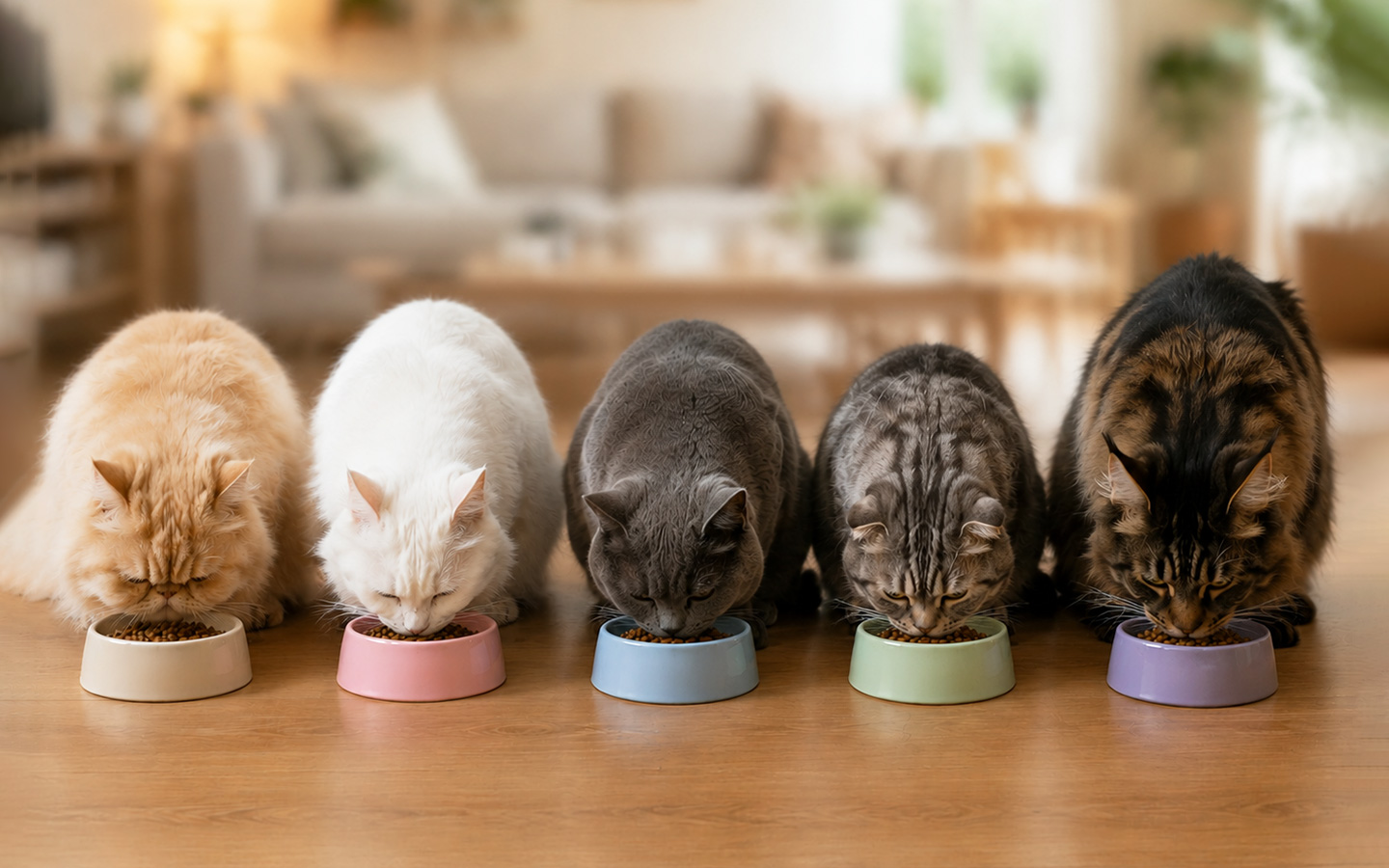
Why Are Cats Such Popular Pets?
Cats are one of the most popular pets because of their adorable appearance, unique personalities, and ability to easily adapt to a home environment. Different cat breeds also have distinct characteristics and personalities, allowing owners to choose one that suits their preferences. Their popularity isn’t without reason. In addition to their cute and entertaining behavior, cats are also relatively easy to care for since they’re accustomed to grooming themselves.
These various advantages make cats one of the favorite pets for many people. Not only are they entertaining, but interacting with cats can also help reduce stress and feelings of loneliness, while their purring is often associated with a calming effect. To keep cats healthy and comfortable, owners need to understand the different cat breeds and their characteristics, know their care needs, and choose food that meets their nutritional requirements. Here’s a closer look.
5 Popular and Cute Cat Breeds
Every cat breed has its own unique traits, whether in terms of appearance, personality, or care requirements. Here are some popular cat breeds that are often kept as pets.
1. Persian Cat
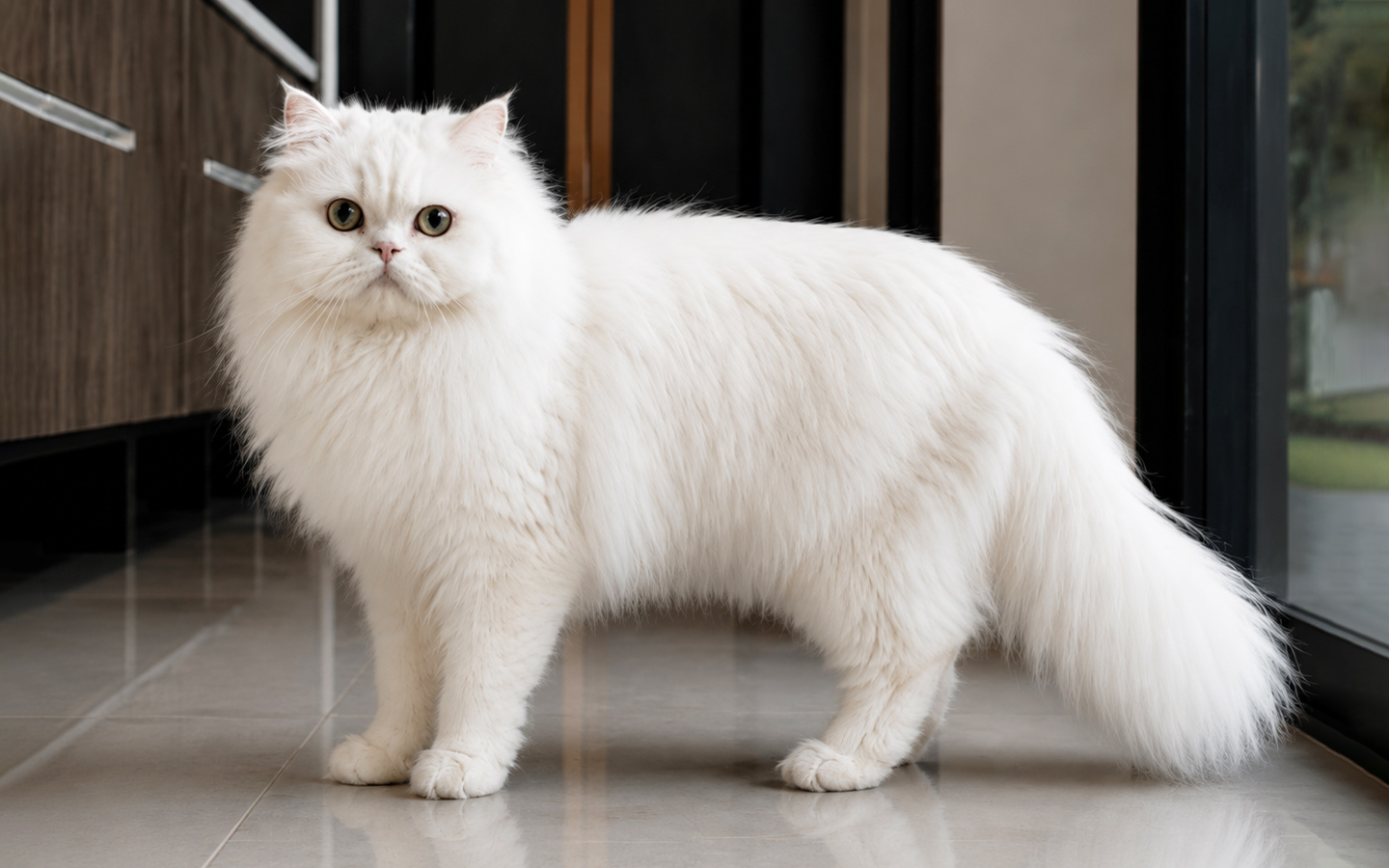 The Persian cat is one of the most popular cat breeds because of its long fur, round face, flat nose, and large, adorable eyes. This cat is known for its calm, gentle nature and preference for staying indoors, making it an ideal family pet. To keep its fur healthy and tangle-free, Persian cats need to be brushed daily.
2. Anggora Cat
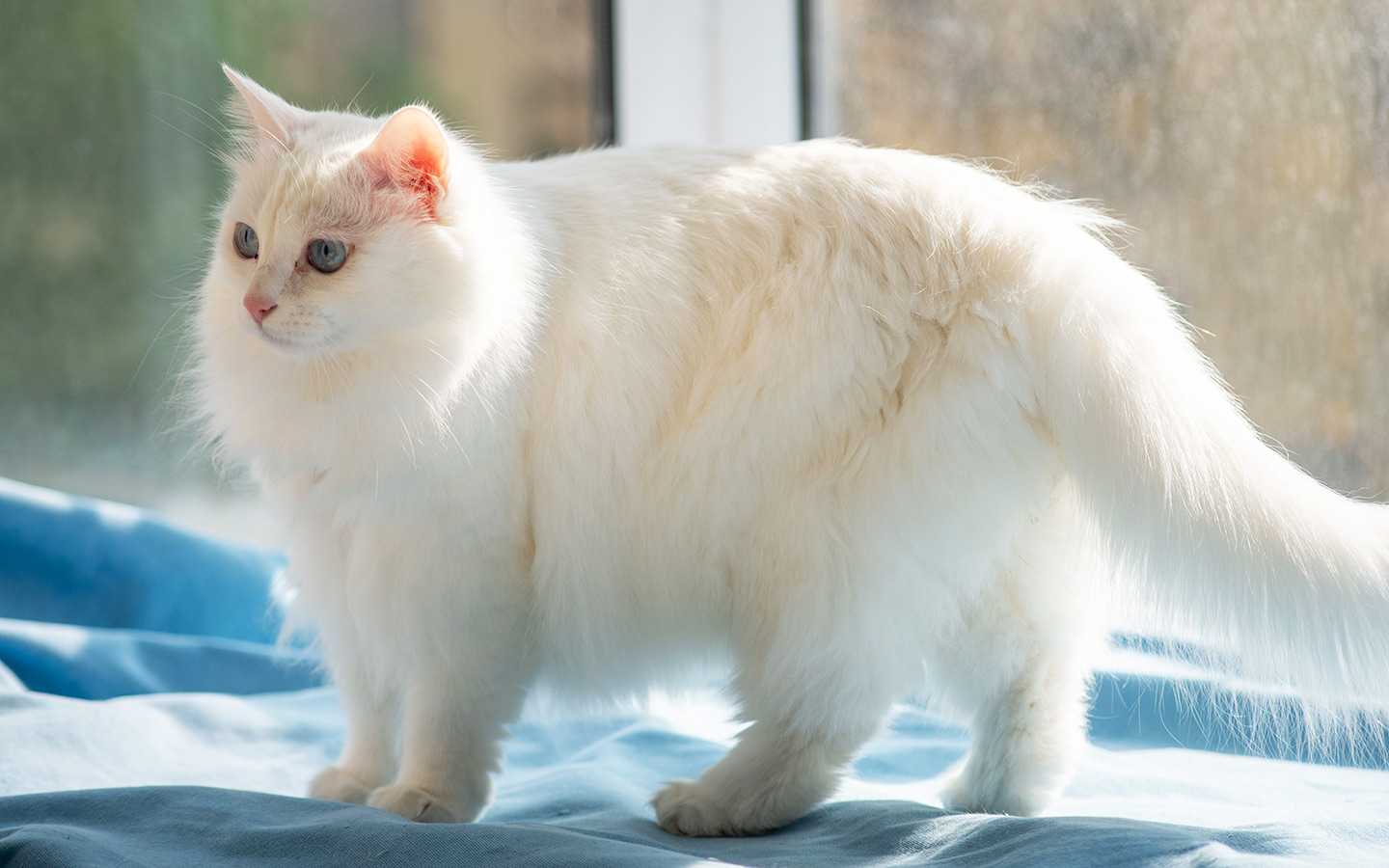
Angora cats have a slender body, soft fur, and a long, bushy tail, giving them an elegant appearance. This breed is known for being active, intelligent, and sociable with humans, making it a great fit for owners who enjoy lively cats. To stay healthy, Angoras need plenty of daily exercise and playtime.
3. British Shorthair
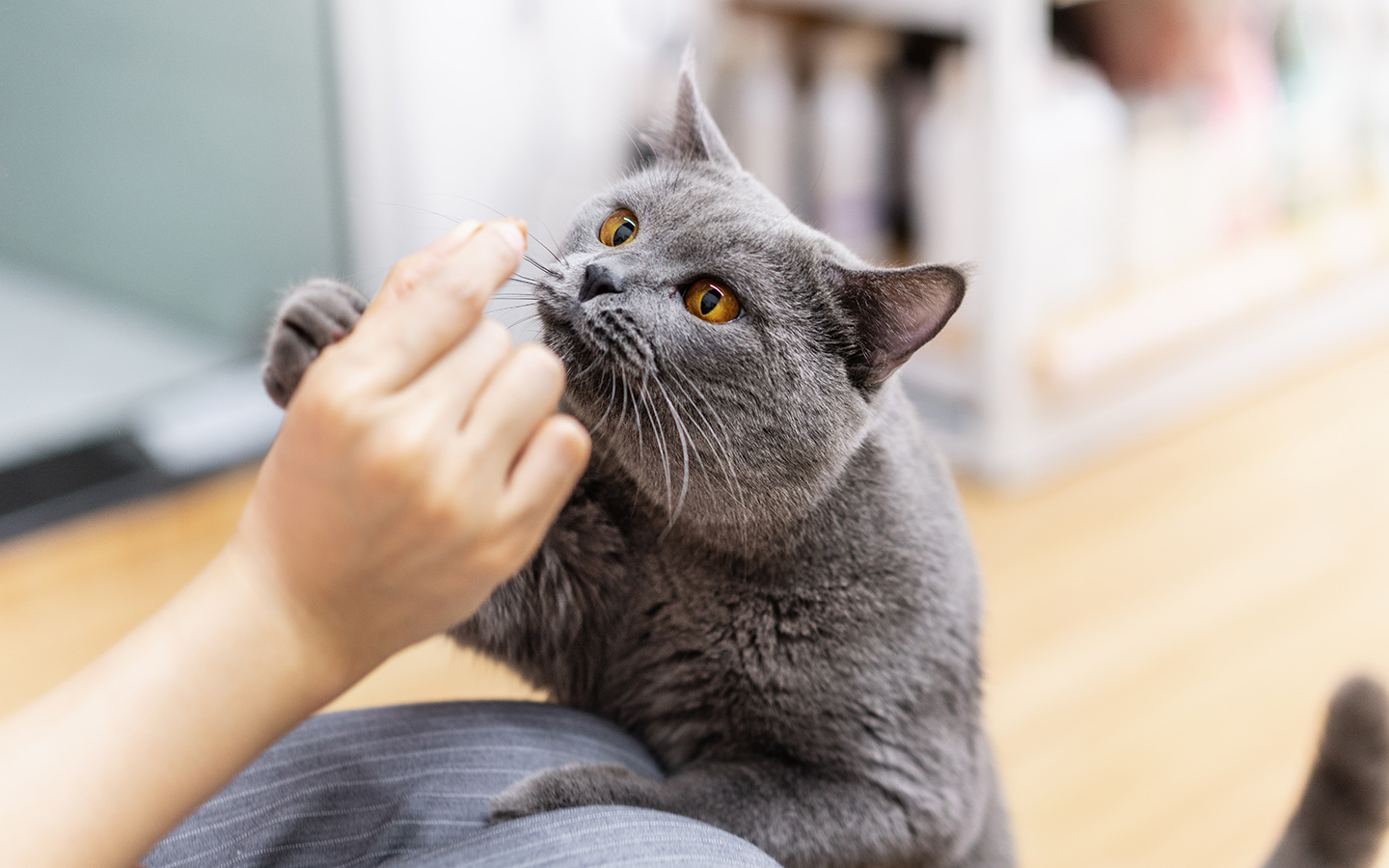 The British Shorthair has a stocky build, a round face, and thick, short fur, giving it an adorable appearance. This cat has a calm, independent temperament and is friendly toward children, making it a great choice for families and first-time owners. Grooming is also relatively easy since it doesn’t require frequent brushing.
4. Scottish Fold Cat
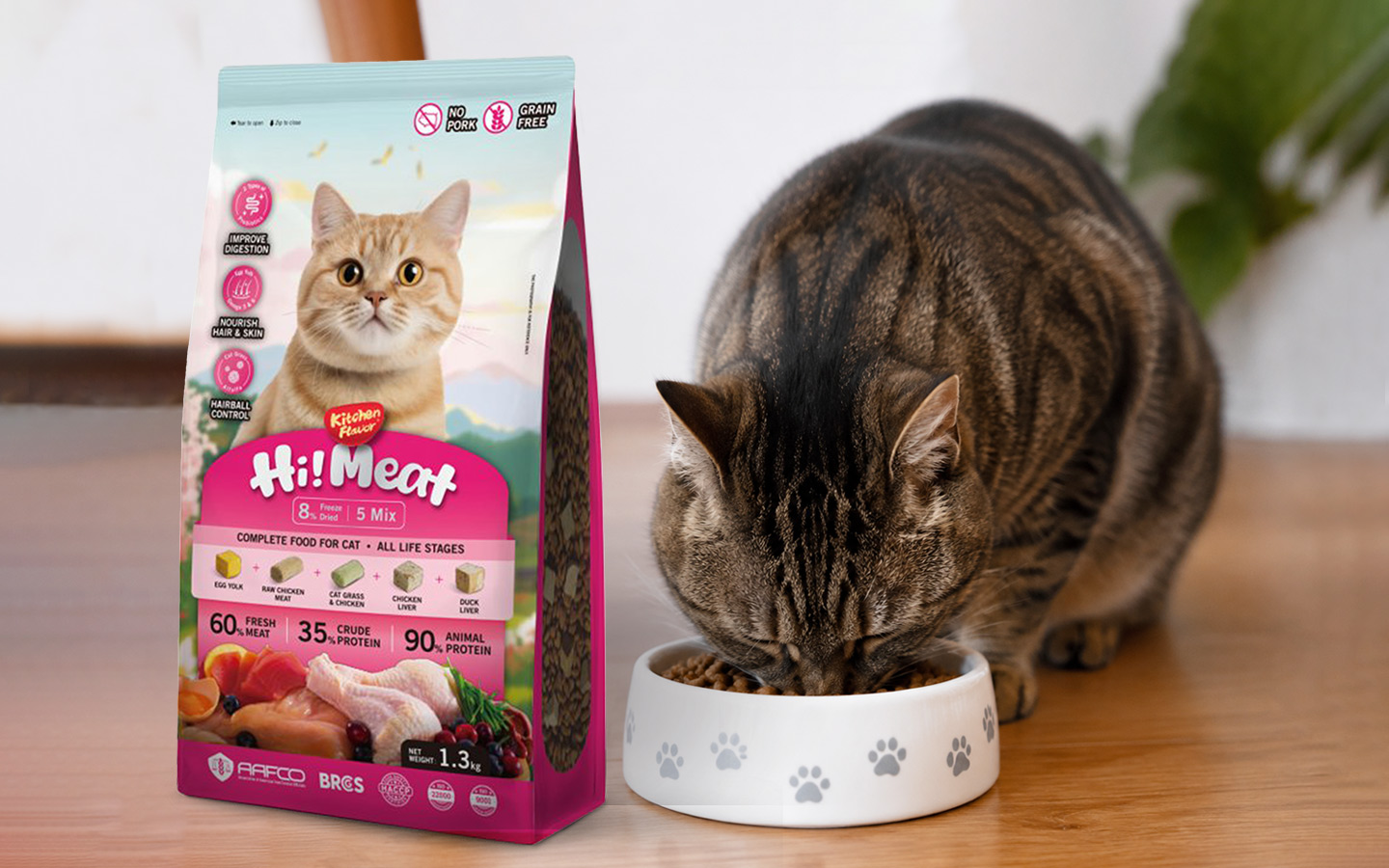 The Scottish Fold is characterized by ears that fold forward, making its face look even cuter. This breed is known for being affectionate, adaptable, and not overly active, so it enjoys spending time with its owner. However, Scottish Folds still require regular health checkups because they are at risk of joint problems.
5. Maine Coon
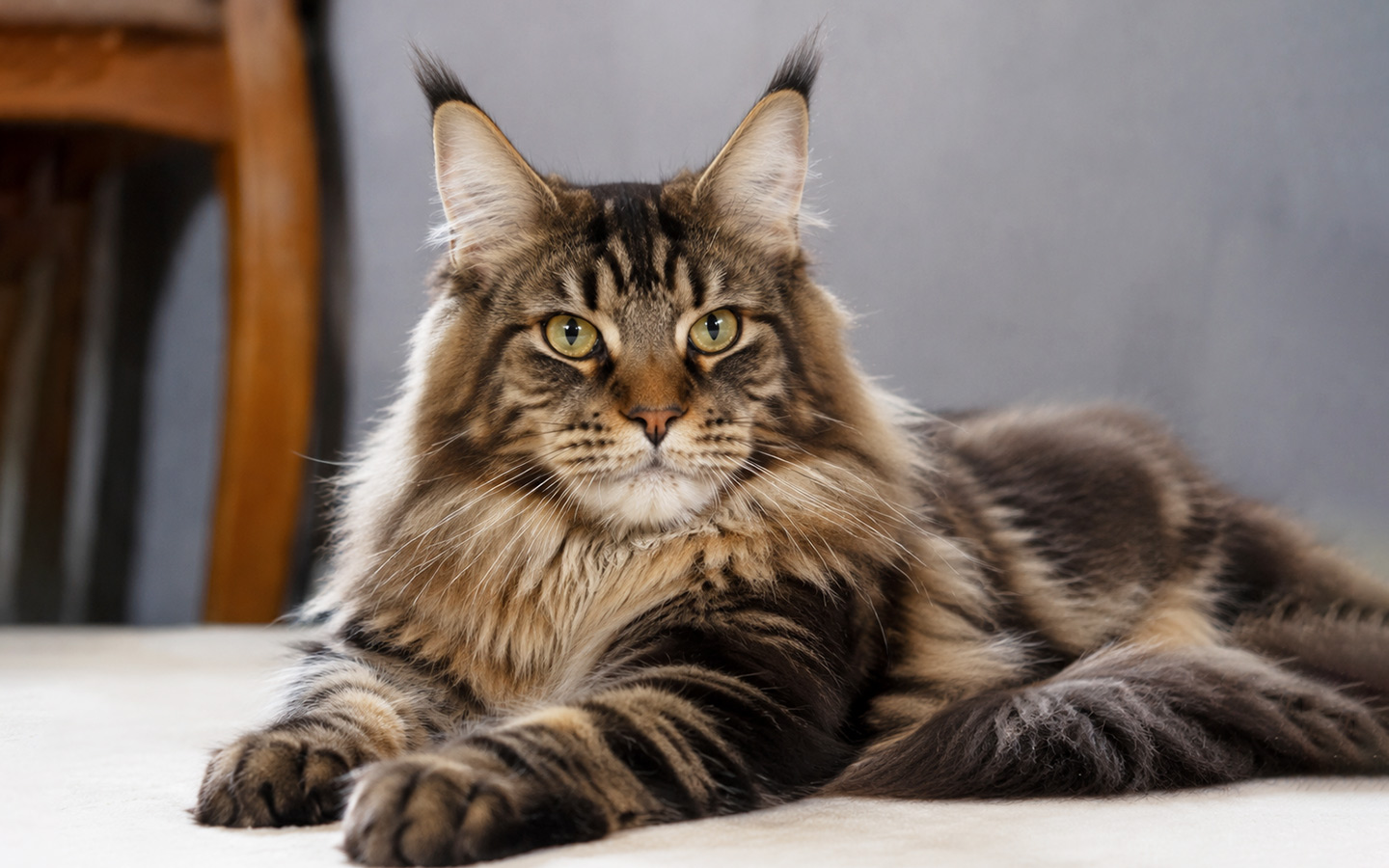
The Maine Coon is one of the largest cat breeds in the world, with a large body, thick fur, and a long tail. Despite its large size, this cat is known to be friendly, intelligent, and loves to play with its owner. Because it is active and has a thick coat, the Maine Coon needs plenty of space to move around as well as regular grooming to stay healthy.
Although all five breeds are equally popular as pets, each has different characteristics and needs. Therefore, it’s important for owners to understand these differences so they can provide appropriate care.
Characteristics and Needs of Each Cat Breed
The differences in each breed’s personality affect their daily care needs, ranging from activity levels, coat care, space requirements, to dietary habits. By understanding these aspects, owners can provide more appropriate care to keep their cats healthy, active, and comfortable.
Activity Level
Cats like Angoras and Maine Coons tend to be active, so they need plenty of playtime and physical activity. In contrast, Persians and British Shorthairs prefer a quiet environment.
Coat Care
In addition to activity levels, coat type also determines grooming needs. Long-haired cats like Persians and Maine Coons require regular brushing to prevent matting. Meanwhile, the short-haired British Shorthair is relatively easier to care for.
Space Requirements
Not only that, but each cat’s space requirements also differ. Active cats need a sufficiently spacious play area, while more laid-back cats still need a comfortable place to rest.
Diet
In addition to a comfortable environment, nutritional intake is also a key factor. The amount of food should be adjusted according to the cat’s age, body size, and activity level to maintain an ideal body weight.
Common Types of Cat Food
Once you understand the needs of each type of cat, the next step is to choose the right type of cat food. Different types of cat food have distinct characteristics and benefits, so they should be tailored to the cat’s age, activity level, and health condition.
– Dry Food
Dry food is the most practical choice because it’s easy to store, has a longer shelf life, and helps maintain your cat’s dental health.
– Wet Food
In addition to dry food, many owners also feed their cats wet food because it has a higher water content, which helps meet the cat’s fluid needs. This food is generally preferred due to its appealing aroma and texture.
– Treats
As a supplement, treats can be given as rewards during cat training or as an occasional snack. However, the amount should still be limited to prevent obesity.
– Complementary Foods
Some owners also provide complementary foods to add variety to their cat’s diet. Make sure the food you give is safe for cats and does not contain harmful ingredients such as onions or chocolate.
These various food options can be tailored to each cat’s individual needs. However, to maximize the benefits, owners need to know how to choose the right food based on their cat’s age, activity level, nutritional needs, and health condition.
How to Choose the Right Food for Your Cat
Choosing the right food is just as important as knowing the type of cat you have. Here are some things to keep in mind:
– Adjust for Age
Choose food appropriate for your cat’s life stage—from kitten to adult to senior—to ensure its nutritional needs are met.
– Pay Attention to Nutritional Content
Make sure the food contains high-quality protein, healthy fats, vitamins, minerals, and taurine to support your cat’s eye and heart health, as well as its growth.
– Adjust for activity level
Active cats require more energy than cats that rest more.
– Consider health conditions
If your cat has certain conditions, such as obesity, digestive disorders, or urinary tract issues, consult your veterinarian before choosing their food.
In addition to choosing the right food, proper care also plays a vital role in supporting your cat’s growth and development. To learn how to care for a kitten so it grows up healthy, Pet Pals can also read the article “5 Steps to Care for a Kitten So It Grows Up Fast and Healthy.”
Nutritious Food Options for Your Beloved Cat
To help meet your cat’s daily nutritional needs, Pet Pals can choose food with a balanced nutritional content appropriate for your cat’s age and needs.
One option is Kitchen Flavor Cat Food, which is formulated with complete nutrition and comes in flavors that cats love, helping to support their health and daily activity.